Blog / Bluffton Ford Dealer

Blog

All Bluffton Ford Dealer 2025 Ford Models Bluffton Ford Service Ford Explorer Ford Mustang Mach-E

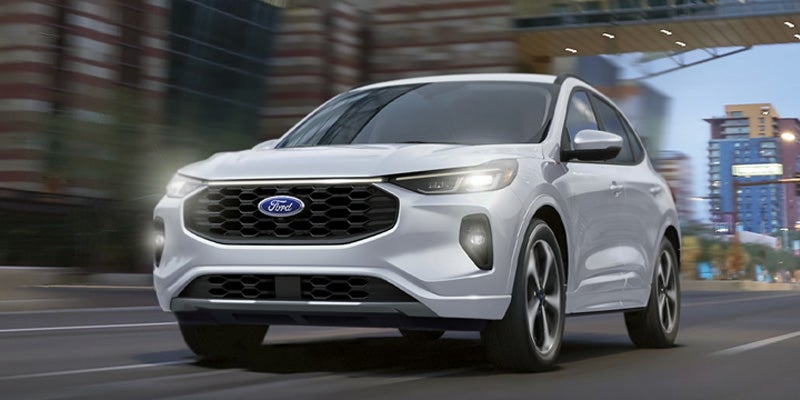
Ford Escape: How Long Can Older Models Stay on the Road?

An old Ford Escape can keep serving its owner when its service history supports more miles. Current wear and repair needs matter too. Mileage matters, but it never tells the whole story. Therefore, records, inspections, and upcoming service deserve equal attention. However, some Escapes pass 150,000 miles with steady care. Others need major repairs much sooner. For this reason, the strongest answer comes from the exact vehicle, not one broad mileage promise. Therefore, a careful review can show whether an older Escape still fits your plans. It can also reveal which repairs may come next. Mileage Alone Cannot Predict Remaining Life Can mileage reveal how much life remains? No. The odometer shows distance traveled, but it does not show how those miles were treated. For this reason, a highway commuter may have driven many steady miles. By contrast, short trips may have created more cold starts and moisture buildup. Towing, heavy cargo, missed oil changes, and overheating can also change the vehicle’s history. Therefore, service records matter as much as mileage. Look for oil changes, coolant service, brake work, tire replacement, battery tests, and transmission care. more Additionally, repair invoices show what has already been replaced. A newer alternator, water pump, or set of struts may reduce near term repair needs. However, missing records require a closer inspection. An old Ford Escape with 140,000 documented miles may present a clearer picture. One with 90,000 unknown miles may not. For this reason, judge the records, current condition, and upcoming needs together. What Keeps an Old Ford Escape Running? Routine care protects the parts that keep an older Escape moving. Oil, coolant, transmission fluid, brakes, tires, and the battery all deserve attention. What service matters most as mileage rises? Start with the items listed for the exact year, engine, and drivetrain. Ford maintenance schedules vary across Escape generations. Furthermore, engine oil reduces friction and carries heat away from moving parts. Therefore, missed oil changes can increase wear inside the engine. In addition, coolant removes heat from the engine and protects internal passages. Low coolant, stains, or repeated top offs may point to a leak. Moreover, transmission fluid supports lubrication, cooling, and gear engagement. A cold test drive can reveal delayed shifts, harsh changes, or slipping. Brakes and tires control stopping and road contact. Additionally, uneven tire wear may point to steering or suspension wear. The 12 volt battery powers starting and control modules. Slow cranking or warning messages call for testing. An old Ford Escape can remain useful when routine care stays current. However, delayed service can turn small wear into larger repair bills. Research Ford Escape Years Without Chasing One Ranking What is the best year of Ford Escape? No single year fits every shopper. Engine choice, drivetrain, recall history, prior repairs, and service records all matter. Online rankings may place different years at the top. Therefore, use those lists as research leads, not final answers. Start by identifying the exact engine, transmission, drivetrain, and trim. Then check recall status and service history for that specific Escape. Additionally, a model year may carry several engine choices. It may also include front wheel drive and all wheel drive versions. Those differences can change service needs and repair patterns. In addition, one vehicle may have completed major repairs already. Another from the same year may still need them. Ford Escape reliability by year can narrow your search. Still, a clean inspection and complete records provide stronger proof. When comparing Ford Escape years, review the full vehicle history. Then compare that history with the asking price and upcoming service. Inspect a Used Escape Before You Commit Therefore, a used Escape inspection should begin before the engine starts. A cold start can reveal smoke, rough idle, slow cranking, and unusual noise. With that in mind, ask the seller to leave the vehicle cold before your visit. Then look underneath for fresh fluid, wet spots, or rust. Use this order during the inspection: Check engine oil, coolant level, battery terminals, tire wear, and visible leaks before startup. Watch the warning lights, exhaust, idle, and gauges during the first few minutes. Test steering, braking, shifting, cabin controls, and ride quality at several speeds. During the drive, listen for clunks, humming, rattles, or vibration. Additionally, check whether the transmission shifts cleanly when cold and warm. Furthermore, brake pedal feel should remain steady. The vehicle should also track straight without constant steering correction. Additionally, corrosion deserves close attention in Indiana. Inspect brake lines, suspension mounting points, rocker areas, and the underside. An old Ford Escape may look clean while still carrying hidden wear. Therefore, a pre purchase inspection can reveal repair needs before money changes hands. How Should Owners Plan High Mileage Service? High mileage service combines scheduled care with wear item planning. The exact list should come from the vehicle’s year, engine, drivetrain, and records. What service may come next after 100,000 miles? The answer depends on what has already been completed. Therefore, begin with the maintenance schedule and all available invoices. Oil changes may continue at normal intervals. However, belts, hoses, coolant, spark plugs, filters, brakes, tires, and suspension parts may need closer review. Therefore, a battery test can show whether starting power has weakened. Fluid checks can reveal leaks or overdue service. Additionally, owners should note new sounds, warning lights, temperature changes, or shifting concerns. Early inspection can keep a small repair from growing. In addition, create a twelve month service list. Separate urgent repairs from routine care and future wear items. An older Escape needs a plan, not a guess. Therefore, use mileage, records, and inspection results to set the next service priorities. Use Records, VIN Checks, and Service Support Therefore, records and VIN checks turn broad research into vehicle specific proof. They show completed service, open recalls, and known repair history. How do you confirm the details? Start with the 17 character VIN. Then compare recall results, service invoices, and the maintenance schedule. Review these items before purchase or continued ownership: Check the VIN through Ford and NHTSA for open safety recalls. Gather oil change records, repair invoices, inspection notes, and prior service dates. Schedule an inspection when records are incomplete or new symptoms appear. However, a recall list for one model year cannot confirm the status of one Escape. The VIN search provides the needed answer. Family Ford of Bluffton can review service needs, inspect wear items, and compare records with Ford guidance. That support gives owners a clearer plan for the next visit. An old Ford Escape can keep earning miles when its care history supports the next chapter. Start with proof, inspect the current wear, and plan service before small concerns grow.
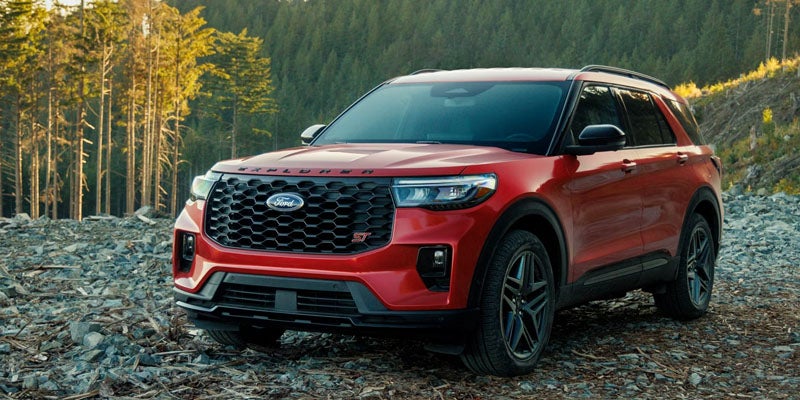
Ford Explorer Active: What Sets This Trim Apart

The Ford Explorer Active is one of the more specific trim choices in the lineup. Shoppers who encounter it while comparing models often want a simple answer: what is it actually for? Unlike the ST-Line, which signals sport styling, the Active does not always communicate its purpose through its name. This blog explains what the Explorer Active is. It also covers how it compares to the XLT and ST-Line, whether all-wheel drive is standard, and which buyers the trim was configured to serve. What the Ford Explorer Active Actually Is The Explorer Active is a mid-tier trim positioned above the XLT. Ford built it around a clear orientation: a family SUV with outdoor-ready equipment and a rugged visual presence. However, it does not move into dedicated off-road territory. The Active sits between a standard family configuration and a vehicle set up for regular outdoor use. That orientation shows up directly in the trim's physical setup. The Active rides on a slightly raised suspension, which adds ground clearance over lower trims. Additionally, the exterior uses darker accents, standard roof rails, and Active-specific badging. These are not purely cosmetic choices. They reflect a trim configured for buyers who use their SUV beyond commuting and school pickups. more Furthermore, the Active does not sacrifice passenger space for gear capacity. Seven-passenger seating is retained at this tier, which matters for families who need both. Because of that, Ford positions the Active as a complete package rather than a narrow specialization. The standard Active configuration includes the following equipment: Raised ride height with increased ground clearance over the XLT Roof rails standard for cargo carriers, bike racks, and roof-mounted gear Exterior dark trim accents and Active-specific badging Standard all-wheel drive with no need to add it as an option Seven-passenger seating retained across the full trim How the Active Differs From the ST-Line The ST-Line and the Active sit at a similar price point. Because of that, the comparison between them is one of the most repeated questions in the Explorer trim search space. However, the answer is not about which trim is better. It is about which philosophy matches the buyer. The ST-Line is a sport-influenced configuration. It takes visual cues from the Explorer ST, including a blacked-out grille and sport-tuned suspension. The suspension on the ST-Line is calibrated for flatter cornering and a firmer ride. Therefore, it suits drivers who prioritize on-road attitude and handling character. The Active moves in the opposite direction. Where the ST-Line firms up the suspension for road use, the Active raises ride height and adds outdoor hardware. Roof rails support carriers, bike mounts, and kayak racks. Furthermore, the styling cues signal a different set of priorities than the ST-Line's sport framing does. Shoppers who haul gear, tow trailers, or load a roof rack will find the Active maps more directly to those activities. However, buyers who want sharper on-road driving feel will find the ST-Line better aligned. The two trims answer different versions of the same question. Is AWD Standard on the Explorer Active? Yes. All-wheel drive is standard on the Ford Explorer Active. This is one of the clearest differences between the Active and lower trims. On the XLT, AWD is available as an option. On the Active, it is already included. Therefore, buyers do not need to verify whether it was selected at the time of build. The AWD setup is Ford's Intelligent 4WD system. It monitors wheel slip and road conditions continuously. When the front wheels lose traction, the system shifts torque forward without driver input. Additionally, during normal dry-road driving, the system operates in rear-biased mode to preserve fuel efficiency. For buyers in northern Indiana, where road conditions shift across seasons, this matters. Because AWD is built into the Active's base price, there is no need to price out an XLT with AWD added separately. The Active simplifies that calculation entirely. Buyers who know they need AWD have a more straightforward starting point with the Active than with lower trims. How the Active Compares to the XLT The XLT is the Explorer's volume trim. It covers a broad range of buyers who want a well-equipped family SUV without paying for features they will not use. However, understanding what the Active adds above the XLT is the clearest way to evaluate whether the step-up fits a specific buyer. The Active brings three structural additions over the XLT. First, AWD is standard rather than optional. Second, the raised ride height and exterior setup shift the vehicle toward outdoor use. Third, the roof rail system adds cargo infrastructure the XLT does not include. Furthermore, the Active's base price reflects all three of those additions already built in. However, what the Active does not change is the powertrain, seating layout, or core tech package. A buyer stepping up from an XLT is not getting a more powerful engine. Because of that, the step-up is about configuration and use-case orientation rather than a wholesale upgrade across every dimension. The key differences between the Active and XLT break down as follows: AWD standard on Active, priced as an optional upgrade on XLT Raised ride height and increased ground clearance on Active only Roof rails included as standard on Active, not available on XLT at base trim Dark exterior accents and Active-specific badging distinguish the two visually Base price difference reflects the AWD and outdoor-ready hardware already included Who the Explorer Active Fits Best The Active fits buyers who use their SUV across a range of activities. Families that load gear for camping, attach a bike rack, tow a small trailer, or drive in conditions where AWD adds measurable value will find the Active's setup consistently relevant. Furthermore, buyers who want AWD included without the extra pricing step will find the Active simplifies the purchase decision. However, the Active is not the right fit for every Explorer buyer. Shoppers who prioritize sport handling, have no use for roof-mounted cargo gear, or rarely encounter traction challenges will be better served by the ST-Line or the XLT. The Active fills a specific gap in the lineup. Therefore, recognizing whether that gap matches a buyer's actual use pattern is the clearest path to the right trim decision. Family Ford of Bluffton can walk buyers through the Active alongside the XLT and ST-Line. Because the differences between these trims come down to use case rather than pure spec, that conversation is often more useful than a side-by-side comparison chart alone.

Do You Really Need a Super Duty Truck? How to Know When an F-350 Makes Sense

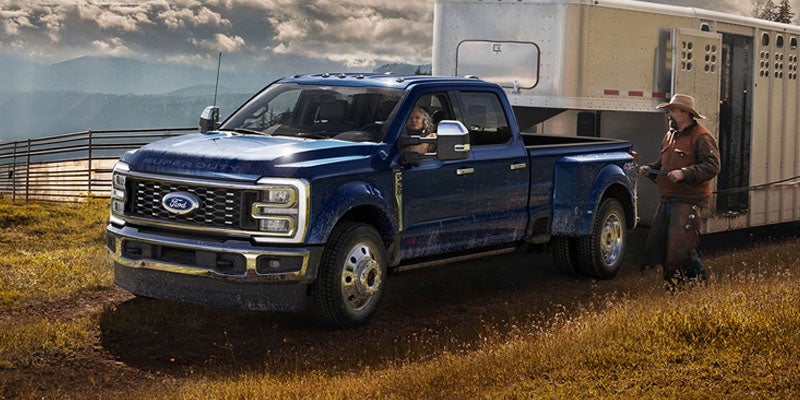
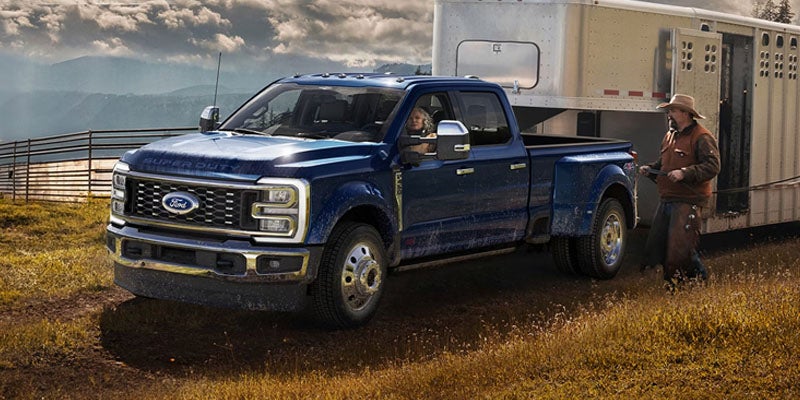
Do you really need a Super Duty truck? For many truck shoppers comparing an F-150 to an F-250 or F-350, the answer often depends less on maximum towing numbers and more on how the truck will actually be used over time. Some drivers tow large campers, heavy trailers, or commercial equipment regularly, while others only haul recreational loads a few times per year. That distinction matters because Ford Super Duty trucks are engineered differently than lighter-duty trucks, and those differences affect towing stability, payload management, suspension behavior, daily driving, and long-term ownership experience. Understanding when a Super Duty truck makes sense requires looking beyond towing headlines and evaluating how heavy-duty systems change the way a truck behaves under real workloads. What Actually Changes Between an F-150 and a Super Duty Truck Many truck shoppers assume a Ford F-350 is simply a larger version of an F-150 with higher towing numbers. In reality, Ford Super Duty trucks are engineered around repeated heavy workloads rather than occasional towing alone. A Ford F-150 is typically designed to balance: commuting comfort recreational towing lighter payload demands maneuverability everyday drivability more A Ford F-250 or F-350 is built differently because the truck is expected to manage larger trailers, heavier payloads, commercial hauling demands, and repeated towing stress over longer periods of time. That changes how the truck functions mechanically. Super Duty models often use: heavier frame construction upgraded rear suspension systems larger braking components stronger axles higher-capacity cooling systems Those systems work together to support heavier weight more consistently during towing and hauling situations. For example, suspension behavior becomes increasingly important when trailer tongue weight or payload increases. Heavier-duty suspension systems help manage additional load while reducing instability, excessive squat, or trailer movement during: highway towing downhill braking uneven pavement longer-distance hauling That is one reason many owners moving from an F-150 into a Super Duty platform describe larger trailers as feeling more controlled and less stressful while towing. Why Payload Capacity Changes Truck Selection More Than Buyers Expect One of the biggest areas of confusion for truck shoppers is the difference between towing capacity and payload capacity. Many buyers focus heavily on maximum towing ratings without realizing payload often becomes equally important depending on the trailer setup. Payload refers to the amount of weight carried directly by the truck itself. That may include passengers, cargo, hitch equipment, tools, trailer tongue weight, or fifth-wheel pin weight. This matters because larger trailers transfer part of their weight onto the truck. Even if a trailer technically falls within towing limits, payload limits may still become a factor once additional cargo and passengers are included. For example, a fifth-wheel camper may place substantial vertical load directly into the truck bed. That additional load changes: suspension behavior braking stability rear axle stress steering feel overall towing balance This is where a Ford F-350 often separates itself from a lighter-duty truck mechanically. Super Duty trucks use heavier-duty rear suspension systems and stronger payload structures because they are engineered to manage those loads repeatedly over time. For many owners towing larger campers or enclosed trailers, payload support becomes one of the biggest reasons they eventually move into a heavy-duty truck platform. When an F-350 Makes Sense for Real-World Towing and Hauling Not every driver needs a Ford F-350, but certain towing and hauling situations may justify moving into a Super Duty category. A heavy-duty truck may make more sense for drivers who regularly tow: large fifth-wheel campers equipment trailers horse trailers heavier enclosed trailers commercial loads agricultural equipment Repeated towing changes truck demands significantly over time. A driver hauling heavier loads every week may place very different stress on the truck than someone towing a smaller camper only a few weekends each year. This is where heavy-duty engineering becomes more noticeable in real-world use. Ford Super Duty trucks are designed to maintain: suspension stability braking confidence drivetrain durability payload support trailer control under repeated towing conditions. Many drivers who regularly tow heavier trailers describe the difference less in terms of acceleration and more in terms of overall control. Larger trailers may create additional stress on the suspension, braking system, and rear axle behavior, especially during longer trips or highway towing situations. For buyers consistently operating near heavier towing thresholds, a Ford F-350 may provide a more stable long-term towing platform. Why Some Drivers Discover a Super Duty May Be More Truck Than They Need At the same time, some buyers eventually realize a heavy-duty truck may not align with how they actually drive most of the time. One recurring frustration across truck ownership discussions is discovering that maximum capability also changes daily usability. Compared to lighter-duty trucks, a Ford F-350 may feel different during normal driving because heavy-duty engineering affects: unloaded ride quality turning radius parking maneuverability steering feel overall truck size For example, suspension systems designed to support heavier loads may ride firmer when the truck is unloaded. Larger dimensions may also become more noticeable during: city driving tighter parking situations parking garages residential neighborhoods drive-through lanes That does not automatically make a Super Duty difficult to own. Many drivers use heavy-duty trucks daily without issue. But ownership experience often depends on: towing frequency driving environment commute distance parking needs family use overall workload consistency A driver towing equipment every week may gladly accept those tradeoffs because the capability directly supports the workload. Meanwhile, someone towing recreationally only a few times per year may prioritize comfort, maneuverability, and easier commuting more heavily. This is one reason truck fit often matters more than maximum capability alone. What Truck Buyers Should Evaluate Before Choosing a Super Duty Before moving into a Ford Super Duty truck, many buyers benefit from evaluating how the truck will realistically be used over time. Important considerations may include: towing frequency trailer type and weight payload demands driving environment trip distance commercial versus recreational use future workload expectations Occasional local towing may create very different truck demands than repeated interstate hauling or commercial trailer use. Truck capability is not only about what the vehicle can technically pull once. It is about how consistently the truck can manage: suspension load braking behavior payload stress towing stability long-distance control over time. For some drivers, an F-150 may still provide the best balance between towing support, comfort, maneuverability, and everyday driving practicality. For others, the added payload strength and towing stability of a Ford F-350 may better support long-term hauling demands. The goal is not necessarily buying the biggest truck available. The goal is choosing the truck that realistically supports how the vehicle will be used most often.

Leasing Options Drivers Compare When Shopping Compact Trucks at Local Dealerships

Drivers researching compact trucks today are often evaluating more than just engine performance or towing capability. Many shoppers are also comparing ownership options to determine which path fits their budget and driving habits. Leasing has become an increasingly common choice for drivers who want the flexibility of a new truck with predictable monthly payments. When shoppers search for terms like Ford lease or truck lease near me, they are typically trying to understand how leasing works, how payments are calculated, and whether leasing a compact truck makes sense for their everyday driving needs. Understanding the mechanics behind truck leasing can help drivers decide whether it aligns with their lifestyle, financial priorities, and long term vehicle plans. How Truck Leasing Works at a Ford Dealership Many drivers researching truck leasing ask a simple question first: how does leasing a truck actually work? A vehicle lease is a structured agreement that allows a driver to use a vehicle for a fixed period of time while paying for the portion of the vehicle’s value that is used during that period. Instead of paying for the entire cost of ownership as with financing, a lease focuses on the vehicle’s depreciation during the lease term. When a driver leases a truck through a Ford dealer, several factors determine the agreement: more The vehicle’s starting value at the time of the lease The estimated depreciation during the lease term The length of the lease contract, often 24 to 36 months The annual mileage allowance Applicable interest rates and incentives Because lease payments are based on depreciation rather than full ownership value, monthly payments are often lower than traditional financing payments for the same vehicle. For many drivers, this structure allows them to drive a new truck with modern technology and updated safety features while maintaining a predictable payment schedule. Why Compact Trucks Often Lease Well for Everyday Drivers Compact trucks have become increasingly popular among drivers who want the versatility of a pickup without the size or fuel consumption of a full size truck. Vehicles such as the Ford Maverick and Ford Ranger are designed to balance truck capability with everyday drivability. This balance makes compact trucks particularly attractive for leasing because they often appeal to drivers who prioritize flexibility. Drivers who benefit most from leasing compact trucks often include: Commuters who want truck capability without committing to long term ownership Drivers who prefer upgrading vehicles every few years Households needing occasional cargo or home improvement hauling Drivers who want the versatility of a truck with manageable operating costs The Ford Maverick compact truck, for example, appeals to drivers who want the functionality of a truck bed with efficiency suited for everyday commuting. Meanwhile, the Ford Ranger offers midsize capability with stronger towing and off road potential while still remaining manageable for daily driving. For drivers who expect their vehicle needs to evolve over time, leasing a compact truck can offer flexibility without committing to long term ownership. How Lease Payments Are Calculated for Ford Trucks One of the most common questions shoppers ask when researching a Ford lease is how dealerships determine monthly payments. Lease payments are primarily calculated using the vehicle’s expected depreciation during the lease term. Depreciation represents the difference between the vehicle’s value when the lease begins and its estimated value at the end of the lease. Three key factors influence this calculation. Vehicle depreciation The difference between the truck’s original price and its projected value after the lease term determines the portion of the vehicle the driver pays for during the lease. Residual value Residual value is the estimated value of the vehicle at the end of the lease. Trucks that retain strong resale value often produce more favorable lease payments because less depreciation occurs during the lease period. Lease term and interest rate Lease duration and interest rates influence how the depreciation is distributed across monthly payments. For example, trucks with strong resale demand often maintain higher residual values, which can make them attractive lease candidates. What Drivers Can Do at the End of a Truck Lease Another common question shoppers ask when comparing leasing options is what happens when the lease ends. At the conclusion of a lease term, drivers generally have several options depending on their preferences and the vehicle’s condition. Most lease agreements allow drivers to choose between: Returning the truck and ending the lease agreement Purchasing the vehicle at the predetermined residual value Trading the truck in toward a new lease or vehicle purchase The residual value written into the lease contract determines the purchase price if the driver decides to keep the vehicle. Because this value is established at the beginning of the lease, drivers can evaluate their buyout option in advance. For drivers who enjoy upgrading vehicles regularly, returning the vehicle and starting a new lease can provide access to newer technology and updated vehicle designs. How Lifestyle Needs Influence Truck Leasing Decisions Choosing whether to lease or buy a truck often depends on how the vehicle will be used. Drivers comparing compact trucks typically evaluate several factors before deciding whether leasing is the right fit. Annual driving distance and expected mileage Daily commuting needs versus work use Frequency of towing or hauling heavy equipment Preference for upgrading vehicles regularly Long term ownership goals For drivers who primarily use their truck for commuting, errands, and occasional cargo hauling, leasing can provide a practical balance between affordability and capability. Drivers who expect extremely high mileage or heavy commercial use may find traditional financing better suited to their needs because mileage limits and wear conditions can influence lease agreements. Understanding these factors allows drivers to evaluate leasing as one of several ownership strategies when shopping for a compact truck at a local dealership. Leasing is not simply about monthly payment comparisons. It is a structured approach to vehicle ownership that can align with specific driving habits, financial priorities, and lifestyle preferences.

Ford SUV Financing Considerations Families Should Review Before Choosing a Vehicle

Financing an SUV is not just about securing a loan approval. For families, financing decisions affect monthly household budgets, long term affordability, and ownership flexibility. When choosing a Ford SUV, understanding how vehicle size, loan structure, interest rates, and ownership timelines interact helps families avoid payment strain while still selecting a vehicle that fits their needs. A well planned financing approach supports stability rather than stretching budgets to accommodate features or space that may not be necessary. Start With Monthly Payment Reality Not Vehicle Price Families often focus on vehicle price first, but monthly payment is the metric that impacts day to day life. Monthly payments are influenced by: more Vehicle price and trim level Down payment amount Interest rate Loan term length Taxes and fees Larger SUVs and higher trims increase payment sensitivity. Small changes in loan structure can significantly affect monthly obligations. How SUV Size Impacts Financing Outcomes Ford offers SUVs across multiple size categories, and each step up in size introduces changes in financing behavior. Key size related considerations include: Larger SUVs typically carry higher purchase prices Increased weight and capability can affect insurance costs Higher trims add technology that increases loan amounts Longer loan terms are often used to offset higher prices Families should align SUV size with actual seating and cargo needs rather than anticipated occasional use. Loan Term Length and Long Term Cost Longer loan terms reduce monthly payments but increase total interest paid over time. Common loan term tradeoffs: Shorter terms increase monthly payment but reduce total cost Longer terms lower payment but extend financial obligation Extended terms can outlast warranty coverage Negative equity risk increases with longer terms Families planning long term ownership should consider whether extended financing aligns with how long they intend to keep the vehicle. Interest Rates and Credit Profile Considerations Interest rates vary based on credit profile, loan length, and market conditions. Factors that influence rates include: Credit score and credit history Down payment size Vehicle age and model year Loan term duration Improving credit positioning before financing can lead to lower rates and more flexible terms. Financing Versus Leasing for Families Leasing and financing serve different needs. Families planning long term ownership often favor financing due to mileage flexibility and equity retention. Key comparisons include: Financing builds ownership equity Leasing may offer lower short term payments Leasing includes mileage limits that may not suit family use Financing avoids end of term vehicle return conditions For families with unpredictable driving needs, financing provides more control. Down Payment Strategy and Budget Stability Down payments reduce loan principal and can improve loan terms. Benefits of larger down payments include: Lower monthly payments Reduced interest expense Improved loan approval odds Lower risk of negative equity Families should balance down payment size against emergency savings and household liquidity. Total Cost of Ownership Beyond the Loan Financing decisions should account for ownership costs beyond the loan itself. Important cost considerations include: Insurance premiums Fuel consumption Maintenance and repair expenses Depreciation over time Choosing a Ford SUV that fits both lifestyle and budget reduces financial strain throughout ownership. Planning Financing Around Family Growth Families often outgrow vehicles faster than expected. Financing should allow flexibility rather than locking households into extended commitments. Smart planning includes: Avoiding excessive loan lengths Selecting trims that meet current needs Considering future space requirements realistically Preserving budget capacity for changing household expenses Financing that supports adaptability is more valuable than financing that maximizes vehicle size. Long Term Financing Perspective Ford SUV financing works best when aligned with household budgets, ownership timelines, and real usage patterns. Families benefit most when financing decisions support predictability rather than stretching affordability for short term satisfaction. Understanding how loan structure, vehicle size, and long term costs interact allows families to choose an SUV that fits both their lives and their finances.

Truck Maintenance Costs Buyers Consider When Comparing Ford and Chevrolet Dealerships

When truck buyers compare Ford and Chevrolet dealerships, the conversation often starts with capability and price. What matters just as much over time is maintenance cost. Trucks are long term investments, especially for owners who tow, haul, or rely on their vehicle for daily work. Understanding what actually drives maintenance expenses helps buyers make better ownership decisions and evaluate service departments with clarity rather than assumptions. This breakdown focuses on how maintenance costs are created, what differs between Ford and Chevrolet truck ownership, and why dealership service quality plays a larger role than brand labels alone. Maintenance Cost Versus Repair Cost One of the most common misunderstandings in truck ownership is confusing maintenance with repairs. Maintenance costs include: Oil and filter changes Transmission service Brake system service Cooling system maintenance Differential and transfer case service Software updates and inspections Repair costs occur when components fail prematurely or outside normal wear cycles. A truck with predictable maintenance needs often costs less to own long term even if individual services are not the cheapest upfront. more What Actually Drives Truck Maintenance Costs Maintenance cost is not determined by brand alone. It is shaped by system design, workload, and service requirements. Key cost drivers include: Engine design and lubrication requirements Transmission complexity and service intervals Drivetrain configuration and fluid service needs Brake system size and load management Cooling system capacity and maintenance schedule Electronic diagnostics and calibration requirements Modern trucks from both Ford and Chevrolet are engineered with advanced systems that require trained technicians and OEM diagnostic tools. Engine Design and Service Considerations Truck engines are designed around torque delivery and durability, but service needs vary based on configuration. Factors that affect maintenance include: Oil capacity and oil type requirements Turbocharged versus naturally aspirated designs Cooling system demand under load Air filtration needs in work environments Engines designed for towing and payload often require more frequent fluid inspections and service when used under heavy load. This is true regardless of brand. Transmission Service and Longevity Transmission maintenance is one of the most important ownership considerations for truck buyers. Maintenance factors include: Fluid change intervals based on workload Heat management under towing conditions Shift calibration updates Filter and pan service requirements Trucks that tow frequently or operate in stop and go conditions may require transmission service sooner than trucks used primarily for commuting. Proper service helps extend transmission life and reduce major repair risk. Drivetrain and Four Wheel Drive Maintenance Drivetrain configuration has a direct impact on maintenance cost. Additional service items may include: Front and rear differential fluid changes Transfer case service Driveshaft and joint inspections Four wheel drive systems add maintenance points, but they also provide capability that many owners rely on. The cost difference is typically incremental rather than dramatic when maintenance is performed on schedule. Brake Systems and Wear Patterns Truck brake systems are designed for weight and load, not just speed. Maintenance considerations include: Pad and rotor size Heat dissipation under load Trailer braking integration Electronic brake system calibration Trucks used for towing or hauling will experience higher brake wear, but properly sized systems help maintain predictable service intervals. Dealer Service Versus Independent Shops Many buyers compare dealership service pricing to independent repair shops without considering differences in scope and capability. Dealership service departments offer: OEM trained technicians Manufacturer specific diagnostic equipment Access to technical service bulletins Software updates and recalibrations Warranty compliant service procedures Independent shops may offer lower labor rates, but they may not have access to all manufacturer tools or updates required for modern truck systems. Why Service Department Expertise Matters Maintenance cost is influenced by how accurately issues are diagnosed and addressed. Experienced dealership technicians can: Identify developing issues before failure Apply manufacturer approved repair procedures Reduce repeat service visits Maintain warranty compliance This consistency often reduces long term ownership cost by preventing secondary damage or misdiagnosis. How Usage Affects Maintenance Cost More Than Brand How a truck is used matters more than whether it is a Ford or a Chevrolet. Higher maintenance demand is associated with: Frequent towing Heavy payload use Short trip driving Harsh weather exposure Dust or job site environments Owners who understand their usage patterns can plan maintenance proactively and avoid unnecessary expense. What Buyers Should Evaluate When Comparing Dealerships When comparing Ford and Chevrolet dealerships, buyers should look beyond advertised service prices. Important factors include: Technician training and experience Service department transparency OEM diagnostic capability Parts availability Maintenance planning support A dealership that helps owners understand service needs often delivers better long term value than one that focuses only on initial pricing. Ownership Perspective for Truck Buyers Truck maintenance cost is not about which badge is cheaper to service. It is about how well the vehicle’s systems are maintained and how knowledgeable the service team is. Ford and Chevrolet trucks are both engineered for durability, but ownership cost is shaped by maintenance discipline, usage, and service quality. Buyers who evaluate maintenance costs realistically and choose a dealership with strong service expertise position themselves for lower long term ownership expense and more dependable performance.

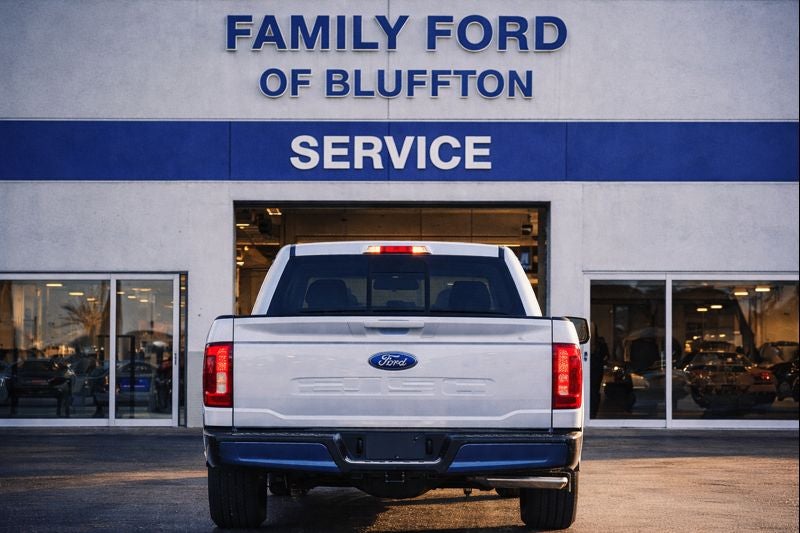
White Ford pickup truck parked at the Family Ford of Bluffton service department during routine maintenance visit

Truck Maintenance Costs Buyers Consider When Comparing Ford and Chevrolet Dealerships

For truck buyers in northeast Indiana, the purchase decision does not end at the dealership lot. Long-term maintenance costs play a significant role when comparing Ford and Chevrolet trucks, especially for owners who plan to keep their vehicles beyond the warranty period. Understanding where those costs come from requires looking beyond brand perception and into how trucks are engineered, serviced, and maintained over time. While brand loyalty often drives initial consideration, ownership costs are shaped by mechanical design, service intervals, and dealership support rather than marketing claims. What Actually Drives Truck Maintenance Costs Over Time Maintenance costs are influenced by a combination of routine service requirements and the likelihood of component wear as mileage accumulates. For full-size and heavy-duty trucks, the most common cost drivers include: Engine oil capacity and oil type requirements Transmission service intervals and fluid complexity Cooling system design and thermal management demands Brake system size and load rating Suspension components designed for towing and payload Both Ford and Chevrolet build trucks intended for work, but the engineering approach behind their powertrains and chassis can influence service frequency and cost. more Engine and Powertrain Design Considerations Modern trucks rely on increasingly complex powertrains to balance capability, efficiency, and emissions compliance. Turbocharged gasoline engines, high-output diesels, and advanced transmissions all introduce maintenance considerations that differ from older platforms. Key factors that affect service cost include: Turbocharged engines requiring stricter oil quality and change intervals Diesel emissions systems that require periodic maintenance and regeneration management Multi-speed automatic transmissions with larger fluid capacities Advanced cooling systems designed for towing and thermal stability Maintenance costs often rise not because a brand is less reliable, but because modern systems require more precise service procedures. Routine Maintenance vs Unexpected Repairs Routine maintenance represents the most predictable portion of ownership cost. Oil changes, tire rotations, brake service, and fluid inspections follow relatively consistent schedules. Unexpected repairs tend to be influenced more by usage patterns than by brand. Common variables that impact unexpected repair costs include: Towing frequency and trailer weight Payload usage and suspension loading Idle time and stop-and-go driving Climate-related stress such as winter cold starts Trucks used for work or frequent towing will experience higher wear regardless of brand. Buyers comparing Ford and Chevrolet dealerships should focus on how service departments support these real-world conditions. Dealership Service vs Independent Repair Shops One of the most common ownership questions involves whether dealership service costs more than independent shops. Dealership service departments offer brand-specific advantages that affect long-term maintenance outcomes. Dealer service advantages include: Manufacturer-trained technicians with platform-specific knowledge Access to OEM diagnostic software and calibration updates Proper service procedures for complex systems such as transmissions and emissions components Warranty protection and service documentation While independent shops may offer lower upfront pricing for basic services, dealership service often reduces the risk of misdiagnosis or incomplete repairs on modern trucks. Parts Availability and Repair Turnaround Maintenance cost is not only about price per service visit. Downtime and parts availability also factor into ownership cost, particularly for work truck owners. Factors that influence real ownership cost include: Availability of OEM replacement parts Accuracy of initial diagnostics Ability to complete repairs without repeat visits Software and module update capability Dealerships with strong service infrastructure can reduce downtime even if individual service visits are not the lowest priced option. Reliability and Maintenance Discipline Long-term reliability is closely tied to maintenance discipline rather than brand alone. Trucks that receive timely oil changes, fluid services, and inspections tend to experience fewer major repairs regardless of manufacturer. Owners who skip scheduled maintenance often encounter: Premature transmission wear Cooling system failures Turbocharger lubrication issues Accelerated brake and suspension wear Comparing dealerships should include evaluating service scheduling flexibility, technician expertise, and maintenance education rather than focusing solely on advertised service pricing. What Buyers Should Evaluate When Comparing Dealerships When choosing between Ford and Chevrolet dealerships, truck buyers benefit from evaluating service support as carefully as vehicle selection. Key evaluation points include: Service department experience with work and fleet trucks Availability of heavy-duty certified technicians Transparency in maintenance recommendations Access to OEM parts and updates Long-term service relationship rather than one-time pricing Maintenance costs are shaped as much by service quality as by mechanical design. Ownership Perspective for Truck Buyers Truck maintenance costs are not determined by a single brand advantage. They reflect how a truck is used, how consistently it is serviced, and how effectively the dealership supports ownership over time. Buyers comparing Ford and Chevrolet dealerships should focus on total ownership support rather than isolated service prices. A well-maintained truck supported by a knowledgeable service department will cost less over its lifespan than a neglected vehicle regardless of brand badge.

All-new 2025 Ford Bronco in Bluffton, IN

Discover the All New 2025 Ford Bronco

Conquering rugged terrain without breaking a sweat, the 2025 Ford Bronco is a popular SUV that offers strong-performing engines, legendary versatility, and innovative technology throughout its many entertainment and off-roading features. Explore the All-New 2025 Ford Bronco in Bluffton, IN Three Turbocharged Engines This edition of the Bronco gives you three turbocharged engines to choose from among its seven trim levels (Base, Big Bend, Outer Banks, Heritage Edition, Stroppe Edition, Badlands, and Raptor.) A 300-horsepower 2.3-liter I-4 comes standard with Base, Outer Banks, Big Bend, Badlands, and Heritage Edition trims, while the Stroppe Edition features a 330-horsepower 2.7-liter V6 that's available for many others. The third engine, a 418-horsepower 3.0-liter V6, comes exclusively with the rugged Raptor trim. Strong Off-Roading Capabilities Few SUVs offer standard four-wheel drive across their entire trim lineup like this one does, which teams up with the included G.O.A.T. (Goes Over Any Terrain) Modes terrain management system. While the standard 4x4 system in lower trims easily tackles most off-road challenges, select upper trims have a more advanced system that has automatic on-demand engagement. Handling is enhanced by the included H.O.S.S., a suspension system specifically designed for off-roading that also provides smoother rides. Comfy With a Nature-Ready Design Inside the cabin, climate control comes standard in all models, with dual-zone functionality in most upper trims, and the second row has a split-folding bench seat. The vehicle's acoustic windshield provides peaceful drives, and the front seats have a heating setting in every trim other than the base trim. Outside, a 150-degree swing gate can be found in the back to make cargo loading easier, and both the doors and top can be removed for immersive drives through nature. Advanced Technology Throughout Many helpful technology features are also included, like the SYNC 4 infotainment system, which has swipe capability and enhanced voice recognition for controlling many of its functions on a 12-inch full-color display. This system also has AM/FM stereo, Apple CarPlay and Android Auto compatibility and pairs with a standard 7-speaker audio system. A premium 12-speaker B&O sound system is available for select trims, and you can easily gauge driving information on the standard 12-inch LCD digital instrument cluster. Sophisticated Driver Assistance A wide range of safety and driver-assist features come with this SUV, including dual-stage airbags and side airbags for both the driver and front passenger, as well as Ford's Safety Canopy Side-Curtain with Rollover Sensor system. Pre-Collision Assist with Automatic Emergency Braking, the Rear View Camera with Backup Assist Grid Lines, Auto High-Beam Headlamps, and stability-enhancing features like Trailer Sway Control and AdvanceTrac with RSC (Roll Stability Control) are also included with every model. Ready for more than a glimpse? Contact us at Family Ford of Bluffton to check out the adventurous 2025 Bronco today.

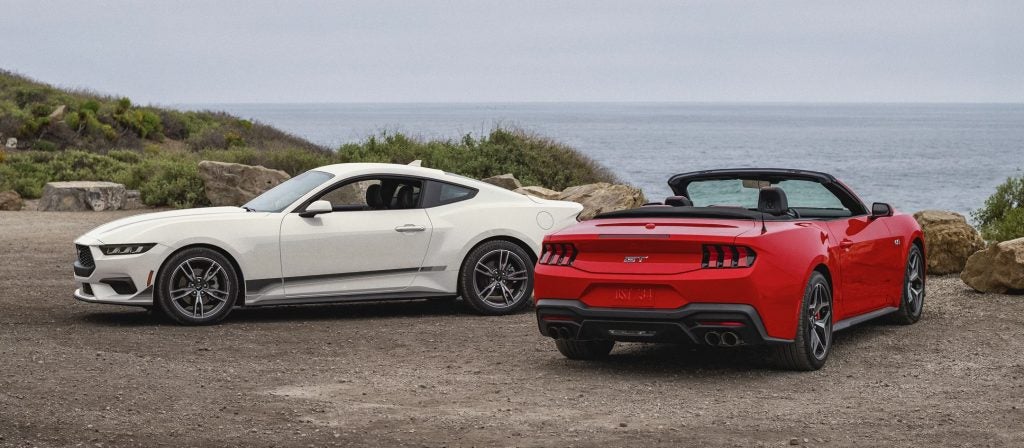
Red and white 2025 Ford Mustang on seaside

Four Exciting Features of the 2025 Ford Mustang

The Mustang is an icon of American design, combining bold styling with exceptional performance. The 2025 Ford Mustang builds on this legacy, taking the classic design and adding advanced technology to create something truly special. 2025 Ford Mustang Features: Powerful Engine Technology The Mustang EcoBoost Fastback has a 2.3-liter turbocharged EcoBoost engine that delivers 315 horsepower and 350 lb-ft of torque. Modular Power Cylinder technology improves efficiency by optimizing combustion and managing power delivery. If you move up through the trim levels, you'll get either the Gen-4 5.0-liter Coyote V8 engine or the modified Gen-4 5.0-liter Coyote V8 engine. The former is included in the GT Coupe trim and delivers a meaty 486 horsepower and 418 lb-ft of torque. The latter only makes an appearance on the Dark Horse coupe, and with the naturally aspirated engine, the horsepower climbs to a blistering 500, with the same 418 lb-ft torque. more Advanced Suspension and Handling You don't ever need to be bumped around by holes in the road again, thanks to the available Gen-3 MagneRide Damping System with Pothole Mitigation. Each damper is automatically adjusted up to 1000 times every second to smooth out any irregularities in the road, such as holes or an uneven surface. The damping system is complemented by the independent rear suspension, which also helps to eliminate unwanted bumps. By using lightweight aluminum-alloy parts in the suspension system, the wheels can respond more quickly to the road surface, resulting in sharp cornering, smooth handling, and a comfortable ride. Choice of Steering Modes A variety of driving modes is a common inclusion in premium modern cars, and you'll find them again here, with Ford offering options such as Slippery, Sport, Drag, or Track, depending on the trim. However, more unusually, Ford also offers a selection of steering modes. If you're in the mood for an easy drive, Comfort provides maximum assistance from the electric power steering. For the days when you want to feel the full extent of the Mustang's precision handling, Sport allows you to connect more directly with the road. Normal mode offers a balance of the two, providing an engaging drive that isn't too challenging. Racing Features The 2025 Mustang is capable of an incredible performance, but to appreciate it at its best, you'll need to be on track. There are multiple features available that can enhance the experience, such as Remote Rev and Drift Brake. The Track Apps will provide feedback on your racing with a breakdown of your stats including lap times, acceleration, and braking. The 2025 Mustang is a beauty of a car that deserves to be experienced up close and personal. To take a closer look for yourself or to book a test drive, contact Family Ford of Bluffton today.

2025 Ford Mustang Mach-E

How the 2025 Ford Mustang Mach-E is Revolutionizing the Electric Driving Experience

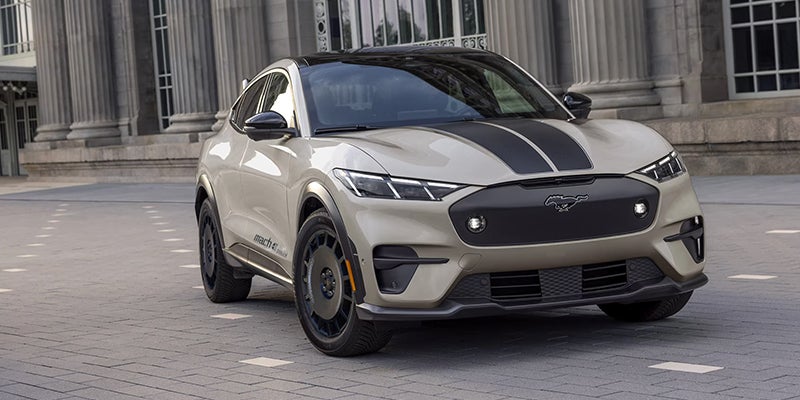
The 2025 Ford Mustang Mach-E is not just another electric vehicle (EV); it’s a breakthrough in the world of automotive engineering. Ford continues to innovate, merging thrilling performance with cutting-edge technology, efficiency, and sustainability. This electric SUV is more than just a green alternative—it’s a bold statement in the electric car market that is reshaping the future of driving. In this article, we explore the key aspects that make the 2025 Ford Mustang Mach-E a revolutionary choice for modern drivers. Performance: A New Era of Electric Power The Mustang Mach-E stands apart from its competitors with its exceptional electric performance. Ford has designed this SUV to deliver the same exhilarating experience that the Mustang brand is known for. With multiple performance options, the 2025 Mach-E caters to a wide range of driving preferences. Powerful Engine Options: The 2025 Mach-E offers several powertrains, including standard and extended-range battery options. With up to 480 horsepower in the GT trim, the Mach-E provides impressive acceleration and top speeds. Whether you’re navigating city streets or enjoying open highways, the Mach-E delivers a driving experience that’s second to none. All-Wheel Drive (AWD): For added control and performance, the Mach-E is available with an all-wheel drive option. This ensures that you can handle a variety of road conditions with ease, whether in rain, snow, or rough terrain. Instant Torque: One of the standout features of electric vehicles is the instantaneous torque they deliver. The Mach-E provides smooth, quick acceleration that gives drivers a thrilling and seamless driving experience. Say goodbye to traditional gear shifting; the Mach-E gives you the freedom to accelerate without delay. more Innovative Technology: Redefining Connectivity The 2025 Ford Mustang Mach-E is loaded with the latest technology to keep you connected, informed, and entertained on every journey. Ford’s commitment to innovation is evident in the advanced features found in the Mach-E’s cabin. SYNC 4A: The Ford SYNC 4A system is at the heart of the Mach-E’s infotainment suite. This system features a massive 15.5-inch touchscreen, providing easy access to navigation, music, calls, and more. With wireless updates, the system continues to improve over time, keeping your vehicle's software up to date. Apple CarPlay® and Android Auto™: Stay connected to your favorite apps with seamless integration of Apple CarPlay® and Android Auto™. Whether you need to navigate, listen to music, or make hands-free calls, the Mach-E ensures you’re never disconnected. Ford Co-Pilot360™: Safety is always a priority, and the Mach-E is equipped with Ford Co-Pilot360™, a suite of advanced safety features designed to give you confidence behind the wheel. Features such as adaptive cruise control, lane-keeping assist, and automatic emergency braking make driving easier and safer. Charging: Convenience and Speed One of the primary concerns for prospective EV buyers is charging. The 2025 Ford Mustang Mach-E addresses this with a variety of charging solutions designed to suit your lifestyle. Home Charging: Charging the Mach-E at home is straightforward and convenient. Using a Level 2 charger, you can fully charge your vehicle overnight. Ford’s FordPass™ app allows you to monitor the charging status, set up charging schedules, and even find nearby charging stations. Fast Charging: With DC Fast Charging, the Mach-E can add up to 61 miles of range in just 10 minutes, making it one of the fastest charging EVs on the market. Perfect for those long road trips or when you’re in a rush, the Mach-E ensures you’re never waiting long to get back on the road. Range Options: Depending on the battery size and drivetrain, the 2025 Mach-E offers a range of up to 312 miles on a full charge. This means you can travel further without worrying about range anxiety, making the Mach-E a great option for both daily commuting and road trips. Sustainable Design: A Step Toward the Future The 2025 Ford Mustang Mach-E not only offers high-performance driving but also integrates sustainability into its design and manufacturing process. Ford has made it a priority to reduce the environmental impact of the Mach-E while still providing an exceptional driving experience. Battery Recycling: Ford is committed to sustainability through its battery recycling programs. By reducing the need for raw materials and recycling used batteries, Ford is helping pave the way for a more sustainable electric future. Eco-Friendly Materials: The interior of the Mach-E incorporates eco-friendly materials without compromising on style or comfort. Recycled fabrics and sustainable components help reduce the environmental footprint of the vehicle while maintaining the premium look and feel that drivers expect from a Ford vehicle. Carbon Footprint: The Mach-E contributes to a reduced carbon footprint, offering an alternative to traditional gas-powered vehicles. As you drive, you’re not only enjoying a powerful performance but also contributing to a cleaner environment. Comfort and Style: Designed for the Modern Driver While the Mach-E is packed with technology and performance features, Ford has also focused on creating a comfortable, stylish, and well-appointed interior. Whether you’re embarking on a short drive or a long road trip, the Mach-E ensures that you travel in comfort and style. Spacious Interior: The Mach-E offers ample legroom and cargo space, making it an ideal choice for families and those who need extra space. With a flat floor and a versatile rear seat configuration, the Mach-E ensures that you have room for passengers and luggage alike. Premium Materials: The interior features soft-touch materials, plush seating, and premium accents that create a sophisticated atmosphere. Whether you opt for the base model or a higher trim, the Mach-E offers a comfortable ride in a thoughtfully designed cabin. Ambient Lighting: For those evening drives, the Mach-E’s customizable ambient lighting creates an inviting and relaxing atmosphere. This feature allows you to choose the perfect lighting to match your mood, whether you’re driving through city streets or cruising along scenic highways. Why Choose the 2025 Ford Mustang Mach-E? The 2025 Ford Mustang Mach-E is more than just an electric SUV—it’s a vehicle designed to deliver an exceptional driving experience. From its impressive performance and cutting-edge technology to its eco-friendly design and sustainability features, the Mach-E offers everything modern drivers are looking for. Whether you’re switching to electric or simply looking for a vehicle that delivers on every level, the Mach-E is the ideal choice for those who demand more from their vehicle. Ford Mustang Mach-E Features: Powerful engine options with up to 480 horsepower All-Wheel Drive for enhanced control Advanced SYNC 4A infotainment system with Apple CarPlay® and Android Auto™ Ford Co-Pilot360™ safety features Fast charging with up to 61 miles of range in 10 minutes Eco-friendly materials and battery recycling initiatives

2025 Ford Explorer

Ford Explorer Trim Levels: Active, ST-Line, Platinum, and ST

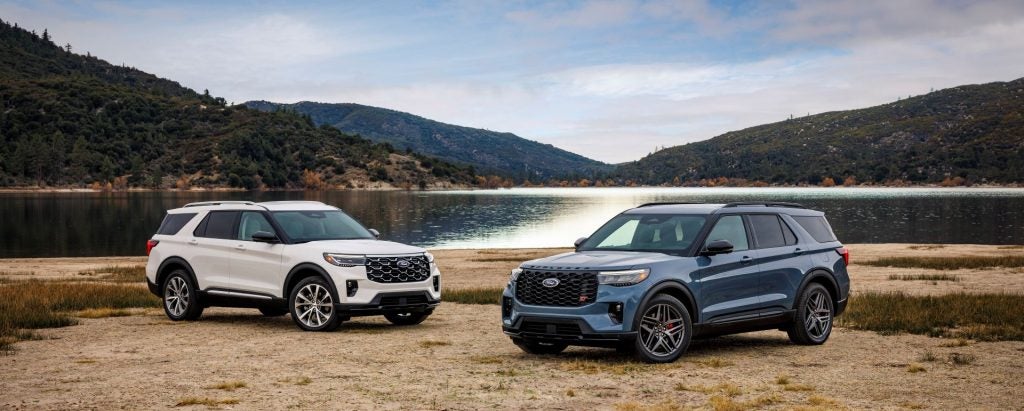
The 2025 Ford Explorer offers a dynamic and versatile driving experience, with multiple trim levels designed to meet various driving preferences. Whether you seek a practical family SUV, a performance-focused ride, or a luxury vehicle, the Ford Explorer lineup has something to offer. At Family Ford of Bluffton, we’re here to guide you through the key features of the Active, ST-Line, Platinum, and ST trims so you can find the perfect match for your needs. Active Trim: A Practical SUV with Enhanced Features The Ford Explorer Active trim is perfect for drivers looking for a blend of performance and practicality. Designed for those who enjoy occasional off-road excursions while prioritizing comfort and functionality, the Active trim provides the following features: 2.3L EcoBoost® Engine: The Active trim comes equipped with a turbocharged engine that delivers the power you need for both daily commutes and weekend adventures. Sporty Exterior Styling: It boasts rugged, adventure-ready features like unique exterior badging and exclusive wheels. Advanced Technology: Includes a 12-inch digital display, Ford Co-Pilot360™ technology, and the SYNC® 3 system with Apple CarPlay® and Android Auto™ integration. Off-Road Ready Features: Designed with an active lifestyle in mind, the Active trim offers features like skid plates and enhanced suspension for off-road driving. This trim is ideal for those who want a vehicle capable of handling the urban jungle and the great outdoors. more ST-Line Trim: Performance Meets Style For those who crave performance and style, the Ford Explorer ST-Line is an excellent choice. This trim combines the athletic appeal of the ST model with practical features that suit everyday driving. Key highlights include: Sporty Performance: While the ST-Line doesn’t have the full performance engine of the ST trim, it offers a 2.3L EcoBoost® engine, perfect for those who want a balance of efficiency and power. Aggressive Exterior Design: The ST-Line trim features bold black accents, including black wheels, grille, and roof rails for an edgy look. Technology & Comfort: Stay connected and comfortable with features like a 12.3-inch digital instrument cluster, SYNC® 3, and a 10.1-inch touchscreen with available navigation. Driver Assistance Features: The ST-Line includes Ford Co-Pilot360™ technologies, such as Pre-Collision Assist, Blind Spot Monitoring, and Rear Cross-Traffic Alert. The ST-Line trim is for those who want a high-performance SUV with a sleek and sporty design. Platinum Trim: Luxury and Refinement For those who desire a refined and luxurious SUV, the Ford Explorer Platinum trim offers everything you could want. Combining luxury features with powerful performance, the Platinum trim is the epitome of elegance and sophistication. Features include: 3.0L EcoBoost® V6 Engine: The Platinum trim offers enhanced power with a turbocharged V6 engine, delivering 400 horsepower and 415 lb-ft of torque. Premium Materials: Step inside to find a cabin adorned with leather-trimmed seating, premium wood accents, and a panoramic sunroof. High-End Technology: Equipped with a 12.3-inch digital instrument cluster, a 14-speaker Bang & Olufsen® audio system, and available wireless charging, the Platinum trim provides an ultra-modern, high-tech experience. Advanced Safety Features: Includes the full suite of Ford Co-Pilot360™ technologies for ultimate peace of mind on the road. If you want the perfect combination of power, luxury, and cutting-edge technology, the Platinum trim is your ideal choice. ST Trim: Performance at Its Peak The Ford Explorer ST trim is the top-tier performance SUV in the Explorer lineup. Engineered for enthusiasts who crave an adrenaline-filled driving experience, the ST trim provides outstanding power and performance. Key features include: 3.0L EcoBoost® V6 Engine: With 400 horsepower and 415 lb-ft of torque, the ST trim delivers exhilarating acceleration and towing capability. Sport-Tuned Suspension: Designed for high-performance handling, the ST trim features a sport-tuned suspension and performance brakes to enhance cornering and stability. Aggressive Styling: The ST trim offers sporty touches, such as exclusive ST badging, a distinct grille, and bold exterior styling elements. High-Tech Features: Includes a 12.3-inch digital cluster, SYNC® 3, and advanced driver assistance features like Adaptive Cruise Control and Lane-Keeping System. The ST trim is ideal for those who seek unmatched performance without sacrificing the comfort and practicality of a family-friendly SUV. Choosing the Right Ford Explorer Trim The Ford Explorer offers a variety of trims, each with its unique set of features and capabilities. Whether you want the rugged off-road readiness of the Active, the sporty performance of the ST-Line, the luxury of the Platinum, or the thrilling power of the ST, there is a Ford Explorer trim designed to meet your specific needs. Visit Family Ford of Bluffton today to explore the Ford Explorer lineup, schedule a test drive, and find the perfect trim that fits your lifestyle.

Introducing the 2025 Ford F-150 Lightning

The next chapter for the F-150 series is electric, and the 2025 Ford F-150 Lightning leads the way. The full-size pickup truck offers a dual-motor setup that is capable of handling serious work and several utility features that make it a useful companion in a variety of situations. more Introducing the 2025 Ford F-150 Lightning Electric Powertrain The F-150 Lightning offers two electric powertrain configurations, both of which are brimming with power. The base model comes equipped with two electric motors and a 98-kWh battery pack, producing 452 hp and 775 lb-ft of torque. Although it is the less powerful of the two options, its tremendous electric torque provides a satisfying throttle response when trailering or testing the vehicle's acceleration on the open road. The FLASH, LARIAT, and Platinum trim levels replace the standard battery with a 131-kWh Extended Range pack, amping up the power output to a beastly 580 hp. When put to the test, the FLASH and LARIAT models hit 60 mph in a quick 3.8 seconds. Towing Capacity In its base configuration, the F-150 Lightning offers a towing capacity of 5,000 lbs. This increases to an impressive 7,700 lbs with the Max Trailer Tow Package. Meanwhile, the FLASH and LARIAT trims offer a base 7,700-lb towing capacity thanks to the extra horsepower. When equipped with the Max Trailer Tow Package, both trim levels tow a staggering 10,000 lbs. The electric pickup truck is also capable of hauling colossal payloads in its bed. The base model offers a max payload capacity of 2,000 lbs, whereas models equipped with the Extended Range battery offer 1,800 lbs. Driving Range The standard-range battery offers up to 240 miles of range, which makes it perfect for daily commuters and drivers who travel around the city regularly. Upgrading to a model with the Extended Range battery increases the range to a remarkable 320 miles, preparing the truck for interstate travel. Utility Features You can use the pickup truck as a mobile generator, a workbench, or a source of lighting, depending on your situation. If the grid goes down in your neighborhood, you can use the F-150 Lightning as a giant backup generator to power your home via a Ford Charge Station Pro. When work calls from beyond the pavement, the Pro Power Onboard feature offers 11 available outlets to power your equipment. The pickup also offers a range of standard and available features that come in handy when camping with your family. For instance, an LED Zone Lighting feature is available to illuminate the F-150 Lightning's perimeter, eliminating the need for camping lights. The available tailgate work surface allows you to prepare a meal or place a laptop. Contact us at Family Ford of Bluffton in Bluffton, IN to make the pickup truck yours today.

Contact Us

Fill out this form below and we'll contact you shortly
*Required Fields