Blog / Bluffton Ford Dealer

Truck Maintenance Costs Buyers Consider When Comparing Ford and Chevrolet Dealerships

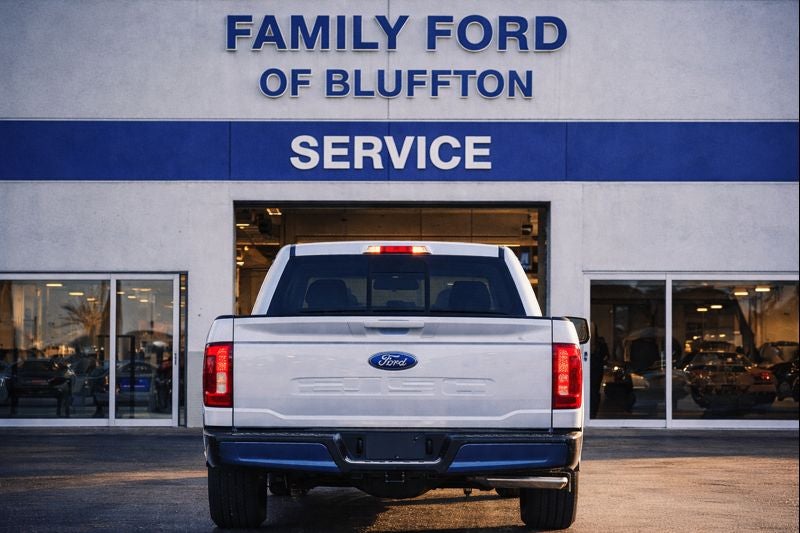
White Ford pickup truck parked at the Family Ford of Bluffton service department during routine maintenance visit

For truck buyers in northeast Indiana, the purchase decision does not end at the dealership lot. Long-term maintenance costs play a significant role when comparing Ford and Chevrolet trucks, especially for owners who plan to keep their vehicles beyond the warranty period. Understanding where those costs come from requires looking beyond brand perception and into how trucks are engineered, serviced, and maintained over time. While brand loyalty often drives initial consideration, ownership costs are shaped by mechanical design, service intervals, and dealership support rather than marketing claims.

What Actually Drives Truck Maintenance Costs Over Time

Maintenance costs are influenced by a combination of routine service requirements and the likelihood of component wear as mileage accumulates. For full-size and heavy-duty trucks, the most common cost drivers include:

  • Engine oil capacity and oil type requirements
  • Transmission service intervals and fluid complexity
  • Cooling system design and thermal management demands
  • Brake system size and load rating
  • Suspension components designed for towing and payload

Both Ford and Chevrolet build trucks intended for work, but the engineering approach behind their powertrains and chassis can influence service frequency and cost.

Engine and Powertrain Design Considerations

Modern trucks rely on increasingly complex powertrains to balance capability, efficiency, and emissions compliance. Turbocharged gasoline engines, high-output diesels, and advanced transmissions all introduce maintenance considerations that differ from older platforms. Key factors that affect service cost include:

  • Turbocharged engines requiring stricter oil quality and change intervals
  • Diesel emissions systems that require periodic maintenance and regeneration management
  • Multi-speed automatic transmissions with larger fluid capacities
  • Advanced cooling systems designed for towing and thermal stability

Maintenance costs often rise not because a brand is less reliable, but because modern systems require more precise service procedures.

Routine Maintenance vs Unexpected Repairs

Routine maintenance represents the most predictable portion of ownership cost. Oil changes, tire rotations, brake service, and fluid inspections follow relatively consistent schedules. Unexpected repairs tend to be influenced more by usage patterns than by brand. Common variables that impact unexpected repair costs include:

  • Towing frequency and trailer weight
  • Payload usage and suspension loading
  • Idle time and stop-and-go driving
  • Climate-related stress such as winter cold starts

Trucks used for work or frequent towing will experience higher wear regardless of brand. Buyers comparing Ford and Chevrolet dealerships should focus on how service departments support these real-world conditions.

Dealership Service vs Independent Repair Shops

One of the most common ownership questions involves whether dealership service costs more than independent shops. Dealership service departments offer brand-specific advantages that affect long-term maintenance outcomes. Dealer service advantages include:

  • Manufacturer-trained technicians with platform-specific knowledge
  • Access to OEM diagnostic software and calibration updates
  • Proper service procedures for complex systems such as transmissions and emissions components
  • Warranty protection and service documentation

While independent shops may offer lower upfront pricing for basic services, dealership service often reduces the risk of misdiagnosis or incomplete repairs on modern trucks.

Parts Availability and Repair Turnaround

Maintenance cost is not only about price per service visit. Downtime and parts availability also factor into ownership cost, particularly for work truck owners. Factors that influence real ownership cost include:

  • Availability of OEM replacement parts
  • Accuracy of initial diagnostics
  • Ability to complete repairs without repeat visits
  • Software and module update capability

Dealerships with strong service infrastructure can reduce downtime even if individual service visits are not the lowest priced option.

Reliability and Maintenance Discipline

Long-term reliability is closely tied to maintenance discipline rather than brand alone. Trucks that receive timely oil changes, fluid services, and inspections tend to experience fewer major repairs regardless of manufacturer. Owners who skip scheduled maintenance often encounter:

  • Premature transmission wear
  • Cooling system failures
  • Turbocharger lubrication issues
  • Accelerated brake and suspension wear

Comparing dealerships should include evaluating service scheduling flexibility, technician expertise, and maintenance education rather than focusing solely on advertised service pricing.

What Buyers Should Evaluate When Comparing Dealerships

When choosing between Ford and Chevrolet dealerships, truck buyers benefit from evaluating service support as carefully as vehicle selection. Key evaluation points include:

  • Service department experience with work and fleet trucks
  • Availability of heavy-duty certified technicians
  • Transparency in maintenance recommendations
  • Access to OEM parts and updates
  • Long-term service relationship rather than one-time pricing

Maintenance costs are shaped as much by service quality as by mechanical design.

Ownership Perspective for Truck Buyers

Truck maintenance costs are not determined by a single brand advantage. They reflect how a truck is used, how consistently it is serviced, and how effectively the dealership supports ownership over time. Buyers comparing Ford and Chevrolet dealerships should focus on total ownership support rather than isolated service prices. A well-maintained truck supported by a knowledgeable service department will cost less over its lifespan than a neglected vehicle regardless of brand badge.
Posted in:

Related Posts

Ford Escape: How Long Can Older Models Stay on the Road?

An old Ford Escape can keep serving its owner when its service history supports more miles. Current wear and repair needs matter too. Mileage matters, but it never tells the whole story. Therefore, records, inspections, and upcoming service deserve equal attention. However, some Escapes pass 150,000 miles with steady care. Others need major repairs much sooner. For this reason, the strongest answer comes from the exact vehicle, not one broad mileage promise. Therefore, a careful review can show whether an older Escape still fits your plans. It can also reveal which repairs may come next. Mileage Alone Cannot Predict Remaining Life Can mileage reveal how much life remains? No. The odometer shows distance traveled, but it does not show how those miles were treated. For this reason, a highway commuter may have driven many steady miles. By contrast, short trips may have created more cold starts and moisture buildup. Towing, heavy cargo, missed oil changes, and overheating can also change the vehicle’s history. Therefore, service records matter as much as mileage. Look for oil changes, coolant service, brake work, tire replacement, battery tests, and transmission care. more Additionally, repair invoices show what has already been replaced. A newer alternator, water pump, or set of struts may reduce near term repair needs. However, missing records require a closer inspection. An old Ford Escape with 140,000 documented miles may present a clearer picture. One with 90,000 unknown miles may not. For this reason, judge the records, current condition, and upcoming needs together. What Keeps an Old Ford Escape Running? Routine care protects the parts that keep an older Escape moving. Oil, coolant, transmission fluid, brakes, tires, and the battery all deserve attention. What service matters most as mileage rises? Start with the items listed for the exact year, engine, and drivetrain. Ford maintenance schedules vary across Escape generations. Furthermore, engine oil reduces friction and carries heat away from moving parts. Therefore, missed oil changes can increase wear inside the engine. In addition, coolant removes heat from the engine and protects internal passages. Low coolant, stains, or repeated top offs may point to a leak. Moreover, transmission fluid supports lubrication, cooling, and gear engagement. A cold test drive can reveal delayed shifts, harsh changes, or slipping. Brakes and tires control stopping and road contact. Additionally, uneven tire wear may point to steering or suspension wear. The 12 volt battery powers starting and control modules. Slow cranking or warning messages call for testing. An old Ford Escape can remain useful when routine care stays current. However, delayed service can turn small wear into larger repair bills. Research Ford Escape Years Without Chasing One Ranking What is the best year of Ford Escape? No single year fits every shopper. Engine choice, drivetrain, recall history, prior repairs, and service records all matter. Online rankings may place different years at the top. Therefore, use those lists as research leads, not final answers. Start by identifying the exact engine, transmission, drivetrain, and trim. Then check recall status and service history for that specific Escape. Additionally, a model year may carry several engine choices. It may also include front wheel drive and all wheel drive versions. Those differences can change service needs and repair patterns. In addition, one vehicle may have completed major repairs already. Another from the same year may still need them. Ford Escape reliability by year can narrow your search. Still, a clean inspection and complete records provide stronger proof. When comparing Ford Escape years, review the full vehicle history. Then compare that history with the asking price and upcoming service. Inspect a Used Escape Before You Commit Therefore, a used Escape inspection should begin before the engine starts. A cold start can reveal smoke, rough idle, slow cranking, and unusual noise. With that in mind, ask the seller to leave the vehicle cold before your visit. Then look underneath for fresh fluid, wet spots, or rust. Use this order during the inspection: Check engine oil, coolant level, battery terminals, tire wear, and visible leaks before startup. Watch the warning lights, exhaust, idle, and gauges during the first few minutes. Test steering, braking, shifting, cabin controls, and ride quality at several speeds. During the drive, listen for clunks, humming, rattles, or vibration. Additionally, check whether the transmission shifts cleanly when cold and warm. Furthermore, brake pedal feel should remain steady. The vehicle should also track straight without constant steering correction. Additionally, corrosion deserves close attention in Indiana. Inspect brake lines, suspension mounting points, rocker areas, and the underside. An old Ford Escape may look clean while still carrying hidden wear. Therefore, a pre purchase inspection can reveal repair needs before money changes hands. How Should Owners Plan High Mileage Service? High mileage service combines scheduled care with wear item planning. The exact list should come from the vehicle’s year, engine, drivetrain, and records. What service may come next after 100,000 miles? The answer depends on what has already been completed. Therefore, begin with the maintenance schedule and all available invoices. Oil changes may continue at normal intervals. However, belts, hoses, coolant, spark plugs, filters, brakes, tires, and suspension parts may need closer review. Therefore, a battery test can show whether starting power has weakened. Fluid checks can reveal leaks or overdue service. Additionally, owners should note new sounds, warning lights, temperature changes, or shifting concerns. Early inspection can keep a small repair from growing. In addition, create a twelve month service list. Separate urgent repairs from routine care and future wear items. An older Escape needs a plan, not a guess. Therefore, use mileage, records, and inspection results to set the next service priorities. Use Records, VIN Checks, and Service Support Therefore, records and VIN checks turn broad research into vehicle specific proof. They show completed service, open recalls, and known repair history. How do you confirm the details? Start with the 17 character VIN. Then compare recall results, service invoices, and the maintenance schedule. Review these items before purchase or continued ownership: Check the VIN through Ford and NHTSA for open safety recalls. Gather oil change records, repair invoices, inspection notes, and prior service dates. Schedule an inspection when records are incomplete or new symptoms appear. However, a recall list for one model year cannot confirm the status of one Escape. The VIN search provides the needed answer. Family Ford of Bluffton can review service needs, inspect wear items, and compare records with Ford guidance. That support gives owners a clearer plan for the next visit. An old Ford Escape can keep earning miles when its care history supports the next chapter. Start with proof, inspect the current wear, and plan service before small concerns grow.

Ford Explorer Active: What Sets This Trim Apart

The Ford Explorer Active is one of the more specific trim choices in the lineup. Shoppers who encounter it while comparing models often want a simple answer: what is it actually for? Unlike the ST-Line, which signals sport styling, the Active does not always communicate its purpose through its name. This blog explains what the Explorer Active is. It also covers how it compares to the XLT and ST-Line, whether all-wheel drive is standard, and which buyers the trim was configured to serve. What the Ford Explorer Active Actually Is The Explorer Active is a mid-tier trim positioned above the XLT. Ford built it around a clear orientation: a family SUV with outdoor-ready equipment and a rugged visual presence. However, it does not move into dedicated off-road territory. The Active sits between a standard family configuration and a vehicle set up for regular outdoor use. That orientation shows up directly in the trim's physical setup. The Active rides on a slightly raised suspension, which adds ground clearance over lower trims. Additionally, the exterior uses darker accents, standard roof rails, and Active-specific badging. These are not purely cosmetic choices. They reflect a trim configured for buyers who use their SUV beyond commuting and school pickups. more Furthermore, the Active does not sacrifice passenger space for gear capacity. Seven-passenger seating is retained at this tier, which matters for families who need both. Because of that, Ford positions the Active as a complete package rather than a narrow specialization. The standard Active configuration includes the following equipment: Raised ride height with increased ground clearance over the XLT Roof rails standard for cargo carriers, bike racks, and roof-mounted gear Exterior dark trim accents and Active-specific badging Standard all-wheel drive with no need to add it as an option Seven-passenger seating retained across the full trim How the Active Differs From the ST-Line The ST-Line and the Active sit at a similar price point. Because of that, the comparison between them is one of the most repeated questions in the Explorer trim search space. However, the answer is not about which trim is better. It is about which philosophy matches the buyer. The ST-Line is a sport-influenced configuration. It takes visual cues from the Explorer ST, including a blacked-out grille and sport-tuned suspension. The suspension on the ST-Line is calibrated for flatter cornering and a firmer ride. Therefore, it suits drivers who prioritize on-road attitude and handling character. The Active moves in the opposite direction. Where the ST-Line firms up the suspension for road use, the Active raises ride height and adds outdoor hardware. Roof rails support carriers, bike mounts, and kayak racks. Furthermore, the styling cues signal a different set of priorities than the ST-Line's sport framing does. Shoppers who haul gear, tow trailers, or load a roof rack will find the Active maps more directly to those activities. However, buyers who want sharper on-road driving feel will find the ST-Line better aligned. The two trims answer different versions of the same question. Is AWD Standard on the Explorer Active? Yes. All-wheel drive is standard on the Ford Explorer Active. This is one of the clearest differences between the Active and lower trims. On the XLT, AWD is available as an option. On the Active, it is already included. Therefore, buyers do not need to verify whether it was selected at the time of build. The AWD setup is Ford's Intelligent 4WD system. It monitors wheel slip and road conditions continuously. When the front wheels lose traction, the system shifts torque forward without driver input. Additionally, during normal dry-road driving, the system operates in rear-biased mode to preserve fuel efficiency. For buyers in northern Indiana, where road conditions shift across seasons, this matters. Because AWD is built into the Active's base price, there is no need to price out an XLT with AWD added separately. The Active simplifies that calculation entirely. Buyers who know they need AWD have a more straightforward starting point with the Active than with lower trims. How the Active Compares to the XLT The XLT is the Explorer's volume trim. It covers a broad range of buyers who want a well-equipped family SUV without paying for features they will not use. However, understanding what the Active adds above the XLT is the clearest way to evaluate whether the step-up fits a specific buyer. The Active brings three structural additions over the XLT. First, AWD is standard rather than optional. Second, the raised ride height and exterior setup shift the vehicle toward outdoor use. Third, the roof rail system adds cargo infrastructure the XLT does not include. Furthermore, the Active's base price reflects all three of those additions already built in. However, what the Active does not change is the powertrain, seating layout, or core tech package. A buyer stepping up from an XLT is not getting a more powerful engine. Because of that, the step-up is about configuration and use-case orientation rather than a wholesale upgrade across every dimension. The key differences between the Active and XLT break down as follows: AWD standard on Active, priced as an optional upgrade on XLT Raised ride height and increased ground clearance on Active only Roof rails included as standard on Active, not available on XLT at base trim Dark exterior accents and Active-specific badging distinguish the two visually Base price difference reflects the AWD and outdoor-ready hardware already included Who the Explorer Active Fits Best The Active fits buyers who use their SUV across a range of activities. Families that load gear for camping, attach a bike rack, tow a small trailer, or drive in conditions where AWD adds measurable value will find the Active's setup consistently relevant. Furthermore, buyers who want AWD included without the extra pricing step will find the Active simplifies the purchase decision. However, the Active is not the right fit for every Explorer buyer. Shoppers who prioritize sport handling, have no use for roof-mounted cargo gear, or rarely encounter traction challenges will be better served by the ST-Line or the XLT. The Active fills a specific gap in the lineup. Therefore, recognizing whether that gap matches a buyer's actual use pattern is the clearest path to the right trim decision. Family Ford of Bluffton can walk buyers through the Active alongside the XLT and ST-Line. Because the differences between these trims come down to use case rather than pure spec, that conversation is often more useful than a side-by-side comparison chart alone.

Do You Really Need a Super Duty Truck? How to Know When an F-350 Makes Sense

Do you really need a Super Duty truck? For many truck shoppers comparing an F-150 to an F-250 or F-350, the answer often depends less on maximum towing numbers and more on how the truck will actually be used over time. Some drivers tow large campers, heavy trailers, or commercial equipment regularly, while others only haul recreational loads a few times per year. That distinction matters because Ford Super Duty trucks are engineered differently than lighter-duty trucks, and those differences affect towing stability, payload management, suspension behavior, daily driving, and long-term ownership experience. Understanding when a Super Duty truck makes sense requires looking beyond towing headlines and evaluating how heavy-duty systems change the way a truck behaves under real workloads. What Actually Changes Between an F-150 and a Super Duty Truck Many truck shoppers assume a Ford F-350 is simply a larger version of an F-150 with higher towing numbers. In reality, Ford Super Duty trucks are engineered around repeated heavy workloads rather than occasional towing alone. A Ford F-150 is typically designed to balance: commuting comfort recreational towing lighter payload demands maneuverability everyday drivability more A Ford F-250 or F-350 is built differently because the truck is expected to manage larger trailers, heavier payloads, commercial hauling demands, and repeated towing stress over longer periods of time. That changes how the truck functions mechanically. Super Duty models often use: heavier frame construction upgraded rear suspension systems larger braking components stronger axles higher-capacity cooling systems Those systems work together to support heavier weight more consistently during towing and hauling situations. For example, suspension behavior becomes increasingly important when trailer tongue weight or payload increases. Heavier-duty suspension systems help manage additional load while reducing instability, excessive squat, or trailer movement during: highway towing downhill braking uneven pavement longer-distance hauling That is one reason many owners moving from an F-150 into a Super Duty platform describe larger trailers as feeling more controlled and less stressful while towing. Why Payload Capacity Changes Truck Selection More Than Buyers Expect One of the biggest areas of confusion for truck shoppers is the difference between towing capacity and payload capacity. Many buyers focus heavily on maximum towing ratings without realizing payload often becomes equally important depending on the trailer setup. Payload refers to the amount of weight carried directly by the truck itself. That may include passengers, cargo, hitch equipment, tools, trailer tongue weight, or fifth-wheel pin weight. This matters because larger trailers transfer part of their weight onto the truck. Even if a trailer technically falls within towing limits, payload limits may still become a factor once additional cargo and passengers are included. For example, a fifth-wheel camper may place substantial vertical load directly into the truck bed. That additional load changes: suspension behavior braking stability rear axle stress steering feel overall towing balance This is where a Ford F-350 often separates itself from a lighter-duty truck mechanically. Super Duty trucks use heavier-duty rear suspension systems and stronger payload structures because they are engineered to manage those loads repeatedly over time. For many owners towing larger campers or enclosed trailers, payload support becomes one of the biggest reasons they eventually move into a heavy-duty truck platform. When an F-350 Makes Sense for Real-World Towing and Hauling Not every driver needs a Ford F-350, but certain towing and hauling situations may justify moving into a Super Duty category. A heavy-duty truck may make more sense for drivers who regularly tow: large fifth-wheel campers equipment trailers horse trailers heavier enclosed trailers commercial loads agricultural equipment Repeated towing changes truck demands significantly over time. A driver hauling heavier loads every week may place very different stress on the truck than someone towing a smaller camper only a few weekends each year. This is where heavy-duty engineering becomes more noticeable in real-world use. Ford Super Duty trucks are designed to maintain: suspension stability braking confidence drivetrain durability payload support trailer control under repeated towing conditions. Many drivers who regularly tow heavier trailers describe the difference less in terms of acceleration and more in terms of overall control. Larger trailers may create additional stress on the suspension, braking system, and rear axle behavior, especially during longer trips or highway towing situations. For buyers consistently operating near heavier towing thresholds, a Ford F-350 may provide a more stable long-term towing platform. Why Some Drivers Discover a Super Duty May Be More Truck Than They Need At the same time, some buyers eventually realize a heavy-duty truck may not align with how they actually drive most of the time. One recurring frustration across truck ownership discussions is discovering that maximum capability also changes daily usability. Compared to lighter-duty trucks, a Ford F-350 may feel different during normal driving because heavy-duty engineering affects: unloaded ride quality turning radius parking maneuverability steering feel overall truck size For example, suspension systems designed to support heavier loads may ride firmer when the truck is unloaded. Larger dimensions may also become more noticeable during: city driving tighter parking situations parking garages residential neighborhoods drive-through lanes That does not automatically make a Super Duty difficult to own. Many drivers use heavy-duty trucks daily without issue. But ownership experience often depends on: towing frequency driving environment commute distance parking needs family use overall workload consistency A driver towing equipment every week may gladly accept those tradeoffs because the capability directly supports the workload. Meanwhile, someone towing recreationally only a few times per year may prioritize comfort, maneuverability, and easier commuting more heavily. This is one reason truck fit often matters more than maximum capability alone. What Truck Buyers Should Evaluate Before Choosing a Super Duty Before moving into a Ford Super Duty truck, many buyers benefit from evaluating how the truck will realistically be used over time. Important considerations may include: towing frequency trailer type and weight payload demands driving environment trip distance commercial versus recreational use future workload expectations Occasional local towing may create very different truck demands than repeated interstate hauling or commercial trailer use. Truck capability is not only about what the vehicle can technically pull once. It is about how consistently the truck can manage: suspension load braking behavior payload stress towing stability long-distance control over time. For some drivers, an F-150 may still provide the best balance between towing support, comfort, maneuverability, and everyday driving practicality. For others, the added payload strength and towing stability of a Ford F-350 may better support long-term hauling demands. The goal is not necessarily buying the biggest truck available. The goal is choosing the truck that realistically supports how the vehicle will be used most often.