

Ford Ranger vs Chevrolet Colorado Comparison
View New Ford Ranger Inventory
Browse Used Ford Trucks
Explore All Ford Truck Models
Call to Compare Ranger Capability
| Sales | ||
| Day | Open | Closed |
| Monday | 8:00AM | 6:00PM |
| Tuesday | 8:00AM | 6:00PM |
| Wednesday | 8:00AM | 6:00PM |
| Thursday | 8:00AM | 6:00PM |
| Friday | 8:00AM | 6:00PM |
| Saturday | 9:00AM | 3:00PM |
| Sunday | Closed | Closed |
| lunch at noon -1pm | ||
Ford Ranger and Chevrolet Colorado Compared for Midsize Truck Buyers
Midsize truck shoppers are often comparing capability, drivability, and long term ownership rather than maximum size. The Ford Ranger and Chevrolet Colorado occupy the same segment, but they approach performance and usability differently. Understanding how their systems are designed helps clarify which truck better fits daily work, towing needs, and commuting.
For drivers in the Bluffton area, the decision often comes down to how the truck behaves under load, how it feels in everyday driving, and how confidently it handles mixed use scenarios.
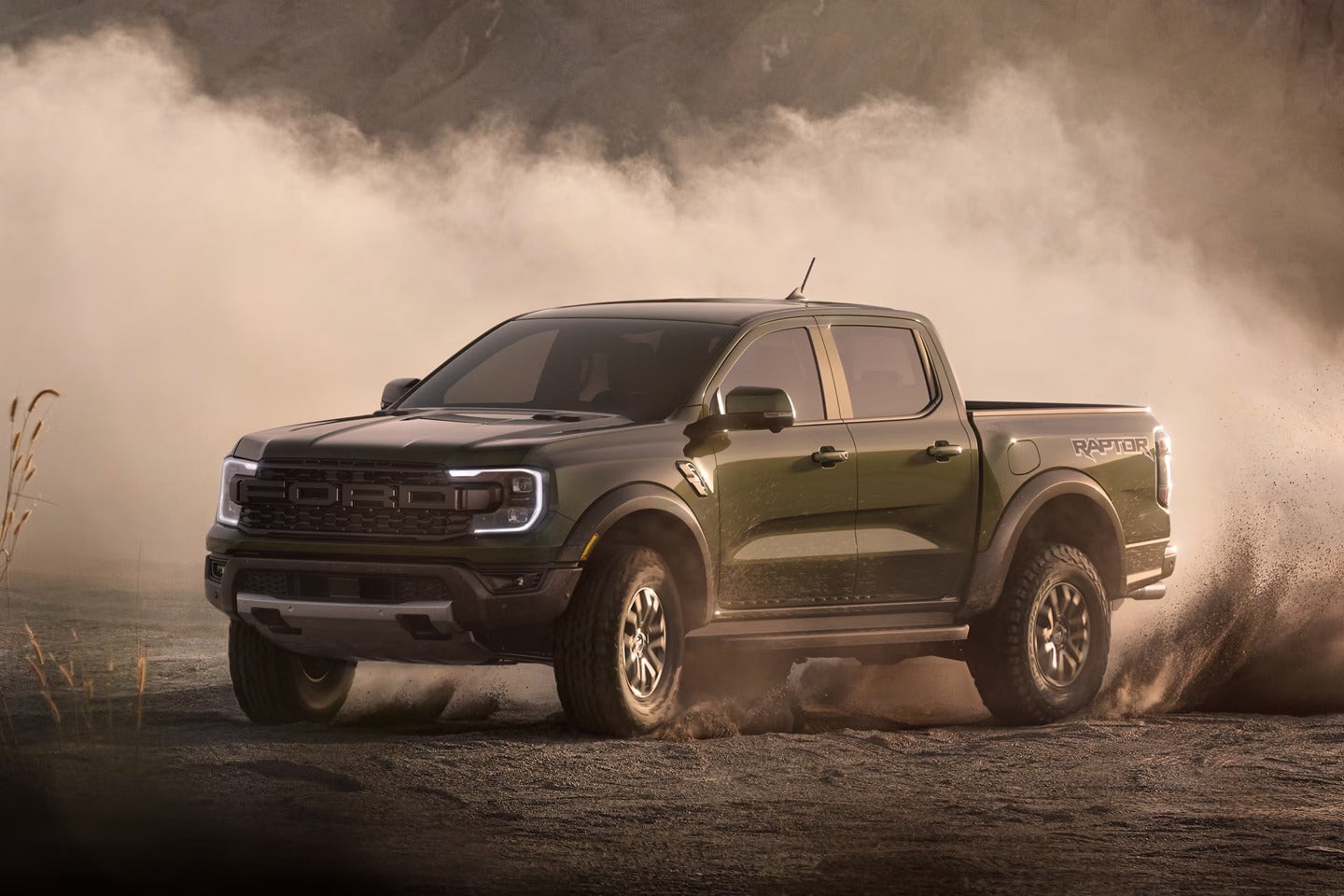
Engine Design and Torque Delivery
The way an engine delivers torque has a direct impact on towing, acceleration, and drivability. Ford Ranger engines are engineered to provide usable torque at lower engine speeds, which supports confident performance without requiring aggressive throttle input.
- Turbocharged design supports early torque delivery for pulling and passing.
- Consistent power curve reduces gear hunting under load.
- Engine calibration prioritizes real world response over peak output numbers.
Towing Systems and Stability
Towing performance depends on more than published ratings. Vehicle balance, braking control, and power management all contribute to how stable a truck feels with a trailer attached.
- Integrated tow systems help manage trailer braking and load response.
- Frame design supports consistent handling under tongue weight.
- Cooling systems maintain performance during sustained towing.
Payload and Bed Usability
Payload capacity often limits real world use before towing limits are reached. Bed design and suspension tuning affect how the truck carries weight during work tasks.
- Suspension tuning balances ride comfort and load support.
- Bed accessibility improves everyday usability.
- Weight distribution affects braking and steering feel.
Daily Driving Comfort and Control
Many midsize trucks spend more time commuting than hauling. Steering response, ride quality, and visibility matter just as much as capability.
- Steering calibration supports easy maneuvering in traffic.
- Cabin layout prioritizes driver comfort and control access.
- Ride compliance reduces fatigue during longer drives.
Reliability and Ownership Expectations
Long term ownership depends on operating within a vehicle’s design intent. Trucks that deliver capability without excessive strain tend to maintain performance and durability.
- Powertrain design margins support sustained use.
- Maintenance accessibility simplifies ownership.
- Dealer support plays a role in long term satisfaction.
Choosing the Right Midsize Truck
The best midsize truck is the one that matches how it will actually be used.
- Frequent towing benefits from strong low end torque and stability.
- Mixed work and commuting favors balanced ride and power delivery.
- Ownership confidence comes from proven systems and local support.
(Note: This article provides educational information comparing midsize trucks. For current availability or to discuss Ranger configurations that fit your needs, please contact Family Ford of Bluffton.)